

Is Himalayan Pink Salt Healthier Than Table Salt? Separating Fact from Fiction
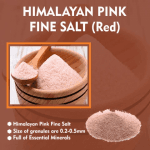
Even the most basic ingredient in the kitchen today, salt, has been subject to debate in the wellness-driven world. Traditional table salt has always been the staple, but Himalayan pink salt has come into the picture with the promise of health, purity, and natural balance. It's appealing, rosy crystals have not only made their way to fancy kitchens but also to health spas, detox centers, and alternative medicine rooms.
But, the actual question remains, does pink salt really do the human body any good over regular table salt, or is it another wellness trend wearing pink?
Himalayan Pink Salt:
The Himalayan pink salt is mined at the ancient Khewra Salt Mine in Pakistan and is commonly said to be one of the purest salts on earth. It is claimed that traces of minerals that contain iron, magnesium, calcium, and potassium are the cause of the fine pink. These minerals also make them taste different when compared to the regular salt.
On the wellness front, Himalayan salt is touted as less processed and additive-free. It is a favorite among many as it is more aligned with a more natural approach to a holistic lifestyle. Outside the kitchen, it has turned into an indispensable part of wellness routines, in the form of salt lamps, spa walls, or relaxing salt baths.
The Salt of the Earth:
Table salt is, however, highly refined and reduced to near sodium chloride. To the pasteurized milk, anti-caking agents are added to give a smooth texture, and in most countries, the pasteurized milk is added with iodine to help fight deficiency-related diseases.
Table salt may not be as attractive as pink salt, but it makes a significant contribution to world health. Iodized salt has almost eradicated goiter in most populations and continues to be among the simplest methods of supplying iodine in the diet.
How do they compare to Nutritional Wellness?
In terms of health and wellness, when it comes to salt, you need to know the following:
Sodium Levels
Himalayan pink salt and table salt are both mainly sodium chloride. Excessive consumption of either causes high blood pressure, which leads to the risk of heart disease and stroke. In the case of wellness, the type of salt you eat is not nearly as important as its moderation.
Trace Minerals
Himalayan salt does have some traces of certain elements, such as magnesium and potassium, but these are in such minimal amounts that they do not actually provide any real nutritional value. Taking too much salt to acquire such minerals would be unhealthy.
Iodine Factor
This is the greatest difference. Adding iodine to table salt is needed to aid thyroid activity and metabolism. The Himalayan salt only contains trace amounts and thus any individual who relies solely on it must get iodine in foods such as seafood, eggs, or seaweed.
Common Wellness Affirmations regarding Himalayan Pink Salt.
Himalayan salt is a salt that has been marketed with health claims that are very attractive, but should be investigated more closely.
Balances the body's pH
Actually, the lungs and kidneys control the pH of your body rather than salt.
Detoxifies the body
The liver and kidneys do this process by default. Himalayan pink salt baths do not detoxify internal organs, but they relax muscles and increase skin hydration.
Enhances breathing fitness.
Salt rooms, or halotherapy, are becoming more common in spas. Congestion relief or allergy relief is reported by some persons, but it is not scientifically proven yet.
Helps with dehydration and energy.
Other proponents of wellness marketing encourage the use of so-called sole water, which is simply pink salt dissolved in water. Although this can serve as a source of electrolytes, mineral concentration is very low relative to other natural sources, such as coconut water or fruit.
Wellness Perks outside of the Kitchen.
The most successful area of Himalayan pink salt is holistic wellness:
Salt Lamps and Bricks
The assertions surrounding negative ions are controversial, but the warm glow is relaxing to many and works to alleviate stress.
Salt Therapy Rooms
These wellness areas are constructed using Himalayan salt bricks to give them a relaxing ambiance that facilitates mindfulness and relaxation.
Salt Baths and Scrubs
Pink salt soaks are known to relieve muscle tension, exfoliate the skin, and leave the body refreshed.
Mental and emotional health are brought to bear through such applications, but the physical health benefits may be unobtrusive.
What is the Role of Table Salt in Health?
Table salt should not be dismissed, despite the fact that it does not have the wellness glow of Himalayan salt. The best health advantage of it is its iodine, which helps to keep the thyroid healthy and also helps in the regulation of metabolism. Table salt is the healthier choice in those populations in which there is concern regarding iodine deficiency.
The Wellness Verdict:
Pink salt is natural and unrefined, and adds wellness traditions such as baths, spa, and conscious cooking. It is a lifestyle that offers balance and relaxation to those who appreciate the beauty and all-around nature.
Food substances with high sodium from either source are equally toxic. According to the World Health Organization guide, adults are permitted a daily intake of salt up to 5 g or a teaspoon.
Conclusion:
Himalayan pink salt is not really a magical substance but can discreetly assist you on your road toward the wellness experience, be it relaxing in a spa, supporting your self-care, or mindful cooking. Table salt may be clean, but it is iodized for health.
To be healthy is not to pick pink or white crystals, and it all comes down to living consciously, moderately, and in balance. When used judiciously, both types of salt can contribute to well-being, one through community health diet and the other through rest and recreation.